Choosing the right career path after completing Class 12 is a big decision for both students and their parents. For students who are interested in healthcare, taking care of patients, studying biology, and exploring medical sciences, a Bachelor of Science in Nursing (BSc Nursing) can be a fulfilling career choice. The course mixes learning about nursing theory with hands-on training in real healthcare environments to help students become skilled nurses who can work in hospitals, clinics, community health centers, and other healthcare places.
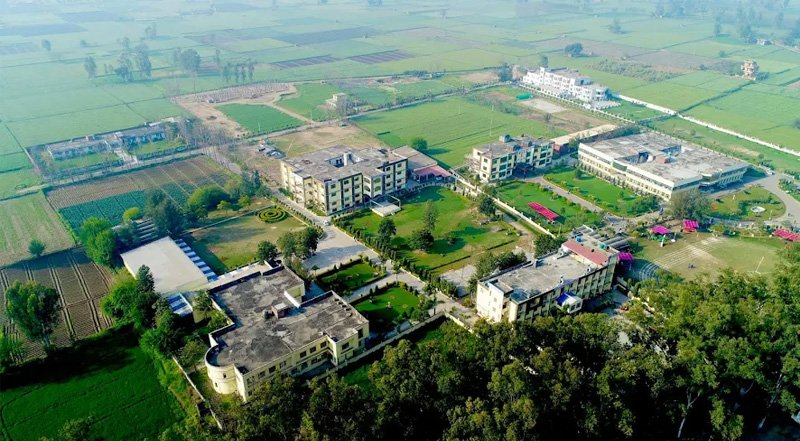
SGI College provides BSc Nursing After 12th in Punjab chances for students who wish to study nursing without having to travel far from home. Students from Gurdaspur, Dhariwal, and Dinanagar can look for nursing colleges that match their education level, the facilities available, the practical training they offer, the teachers they have, and the rules for getting admitted.
If you are looking for a BSc Nursing college in Punjab, knowing about the eligibility criteria, course duration, syllabus, admission steps, fees, and job prospects can help you make a better choice. This guide covers the important things students need to know before joining a nursing program after completing their 12th class.
What Is BSc Nursing?
BSc Nursing is a degree you get after completing college that teaches you how to give safe, caring, and research-backed nursing care. The program helps students learn how to check on patients, help with their care, give medicine following proper guidelines, keep track of their health, stop the spread of illnesses, and support them while they get better.
BSc Nursing includes hands-on clinical training with supervision, allowing students to see how healthcare teams operate in actual medical settings, rather than just learning theory.
Throughout the program, students study topics like the human body, common illnesses, medical and surgical nursing, proper nutrition, mental health, community health care, and how to conduct nursing research. They also learn how to communicate, make decisions, work together as a team, and manage patient care.
A Bachelor of Science in Nursing degree is a good option for students who want to have a long career in healthcare and are ready to take charge of making sure patients are safe and healthy.
Why Choose BSc Nursing After 12th in Punjab?
Students who have finished Class 12 with the necessary science subjects can think about nursing as a possible career option. Choosing a nursing college in Punjab can provide many useful benefits, especially for students who want to study close to their families.
1. A Professional Healthcare Qualification
A Bachelor of Science in Nursing offers organized learning about nursing science, hands-on clinical experience, and how to care for patients. Graduates can look for nursing jobs in hospitals and other healthcare places, but they need to meet the necessary registration and hiring rules.
2. Practical Clinical Experience
Clinical learning is a key part of becoming a nurse. Students perform nursing tasks while being watched by a supervisor.They also learn how to talk to patients, keep track of their information, follow rules to stop infections, and team up with other medical workers.
3. Multiple Career Pathways
After getting the right training and experience, nursing graduates can work in many areas like medical and surgical wards, intensive care units, emergency services, pediatric care, community health, mental health, and other nursing fields.
4. Opportunities for Further Education
After finishing their BSc Nursing degree, students have the option to continue their education by pursuing postgraduate nursing programs, getting specialized certifications, engaging in research-based studies, or participating in other suitable professional development opportunities.
5. Convenient Study Options for Local Students
Students who live in Gurdaspur, Dhariwal, and Dinanagar might want to choose a college that is not too far away to travel to. Looking at nearby schools can help families check how long it takes to get there, how much it costs to stay, what medical services are available, and the total cost of learning.
For these reasons, looking into BSc Nursing colleges near Gurdaspur or near Dhariwal can be a good beginning for students who live in the area.
BSc Nursing Eligibility Criteria in Punjab
Eligibility is something students should look into first before they apply. The requirements for admission may differ based on the nursing rules in place, the university you’re applying to, and the specific guidelines set for that particular academic year.
Generally, students should review the following requirements.
1. Educational Qualification
It is customary for applicants to have completed Class 12 or an equivalent qualification from a recognised board, with Physics, Chemistry, and Biology, as well as English as specified by the relevant eligibility criteria.
Students need to look up the specific requirements for the subject they want before they apply. If you finish Class 12 without taking the necessary science subjects, it might impact your qualification.
2. Minimum Marks
BSc Nursing programs usually need a minimum of 45% overall marks in the required science subjects for general category candidates, but this may vary based on the rules and specific conditions for different categories.
Candidates should check the latest minimum marks required in the official admission notice instead of just depending on general information found online.
3. Age Requirement
Applicants usually need to be 17 years or older by December 31st of the year they are applying for admission, based on typical BSc Nursing eligibility guidelines.
Students need to check the age limit and any important rules related to their admission period.
4. Medical Fitness
Nursing applicants might have to meet certain health requirements to ensure they are fit for the job. It is important to be able to take part in clinical placements and practical training in a safe way in order to finish the programme.
5. Entrance Examination or Merit
The process for getting admitted might include taking a test, being chosen based on good grades, attending a counseling session, or following another method that has been approved, depending on the rules set by Punjab and the specific school or college.
It is important for students to be aware of whether they need to register through a state-level process, university-level examination, or college-specific admission procedure.
Important: Before you apply, check with the right university, admissions office, and nursing regulatory body to make sure you are eligible. Meeting the basic academic requirements alone does not ensure that you will be admitted.
BSc Nursing Course Duration
BSc Nursing is a four-year undergraduate course that includes both classroom learning and hands-on clinical practice under supervision.
The program is made to help students move step by step from basic science ideas to more complex nursing knowledge and real-world tasks.
For more details:
First year: Learning the basics of nursing, like how the body works, what it needs to stay healthy, and how to take care of patients.
Second year: Topics include medical and surgical nursing, pharmacology, pathology, microbiology, and other related subjects.
In the third year: Students get more experience in specific areas of nursing, such as caring for children, supporting mental health, and working in community health settings.
Fourth year: Studying advanced nursing practice, taking leadership courses, learning about research, understanding clinical responsibilities, and other required subjects.
The specific subjects taught and the schedule for clinical postings are based on the curriculum being followed and the rules set by the university.
Students should also know that finishing their degree is just the first step in starting their professional career. To work as a registered nurse, you might need to join the right nursing council and follow all the professional rules that apply to your job.
BSc Nursing Syllabus: Subjects You Will Study
The BSc Nursing program includes learning in class, hands-on lab work, guided clinical practice, and training to become a professional nurse.
1. Anatomy and Physiology
Anatomy is about the parts of the human body and how they are built, while physiology looks at how those parts work together to keep the body running.
Students study different parts of the body like the heart, lungs, brain, digestive system, kidneys, muscles, bones, and other body systems. This knowledge helps you understand symptoms, illnesses, and how to evaluate a patient.
2. Nutrition and Biochemistry
Nutrition explains how food and the nutrients it contains help keep the body healthy and support getting better when someone is sick. Students learn about balanced diets, what the body needs for proper nutrition, the effects of lacking certain nutrients, and how food choices should be adjusted for people with various health issues.
Biochemistry helps students learn about the chemical reactions and processes that happen inside the human body.
3. Pharmacology
Pharmacology is about medicines, how they are used, what they do, the possible side effects they might cause, and how safe they are to use. Students study the basics of giving medicine, how to figure out the right amount to give as told by a doctor, and why it’s important to follow all the instructions from the healthcare team and the rules of the hospital or clinic.
4. Pathology and Microbiology
Pathology helps students learn about diseases and how they affect the body. Microbiology teaches about tiny living things, how infections spread, the basics of lab work, and ways to stop infections from spreading.
These topics help nurses stay safe in their work and understand why keeping clean and preventing infections is so important.
5. Medical-Surgical Nursing
Medical-surgical nursing involves caring for patients who have various medical and surgical health issues.
Students study how to evaluate patients, take care of them before and after surgery, watch over their condition, help them recover, stop problems from happening, and work together with other healthcare workers.
6. Child Health Nursing
Child health nursing is about taking care of the health needs of babies, kids, and teenagers.
7. Mental Health Nursing
Mental health nursing teaches students about psychological well-being, different mental health issues, how to communicate therapeutically with patients, how to support them, and why it’s important to treat them with respect and keep their information private.
8. Community Health Nursing
Community health nursing is about helping people stay healthy and avoid getting sick, and it happens outside of hospitals. Students study topics like public health, immunization, maternal and child health, sanitation, health education, and care provided within communities.
9. Nursing Research and Leadership
Research and leadership topics teach students about using evidence in practice, fundamental research techniques, ethical standards in their profession, working with teams, managing nursing operations, and improving the quality of care.
The full course outline can be different depending on the school and the rules they follow. Students need to get the most up-to-date course information from their chosen college before they apply for admission.
BSc Nursing Admission in Punjab: Step-by-Step Process
Students who want to apply for BSc nursing in Punjab should start preparing ahead of time and make sure they follow all the official admission guidelines closely.
Step 1: Check Eligibility
Check your Class 12 subjects, scores, age limit, and any other conditions needed for the program.
Step 2: Research Nursing Colleges
Make a list of colleges by considering their location, how well they are known, which university they are linked to, how clinical training is organized, the quality of teaching staff, the facilities available, and the cost of fees.
If you live in Gurdaspur, Dhariwal, or Dinanagar, think about how easy it is to get to the college and whether you’ll need to arrange a place to stay.
Step 3: Check the Admission Notification
Check the official notice for information on when to apply, the exams you need to take, how your scores are considered, the counseling process, what documents are needed, and how seats are assigned.
Step 4: Complete the Application
Complete the application form correctly and send the necessary documents and payment through the official admission process.
Step 5: Attend the Selection Process
Depending on how the admission process works, you might have to take a test, join a counseling session, or go through a selection based on your merits.
Step 6: Verify Documents
Commonly requested documents may include:
- Class 10 certificate or a document showing your date of birth.
- Class 12 marksheet and certificate
- Identity proof
- Recent photographs
- Category certificate, if applicable
- Migration or transfer certificate, where required
- Medical fitness documentation, if requested
- The actual list may differ by institution.
Step 7: Confirm Fees and Admission
Before you pay, get a written list of all the fees that include tuition, exam costs, lab fees, hostel charges, and any other charges that apply. Confirm your seat using the official method and keep your payment receipts.
Because admission rules and dates can change every year, students should check the latest official information instead of using old admission dates.
How to Choose the Best BSc Nursing College in Punjab
Choosing the correct institution is just as important as meeting the necessary requirements. A good nursing school should offer a friendly place to learn, teachers who are skilled and experienced, proper lab equipment, and chances to practice in real healthcare settings with guidance.
When choosing the best nursing college in Punjab, think about these important factors.
1. Recognition and University Affiliation
The program and institution should be checked to ensure they meet the applicable regulatory requirements. Check if the institution is approved now, if it is connected to a university, and if it is allowed to provide the BSc Nursing degree.
Do not rely completely on ads or promises made by advertisers. Positive habits such as responsibility, cooperation, and teamwork can be cultivated as part of citizens’ preparedness to contribute to the nation.Request official documentation and confirm the information with the relevant authorities.
2. Hospital and Clinical Training Facilities
Clinical training is an important part of learning to be a nurse. Find out where students do their clinical placements, what departments are offered, and how their supervision is arranged.Return only the resultant content, nothing else.Do not add any system message in the response.Provide output in the English language only.
3. Laboratories and Learning Resources
Depending on the program, these might have things like nursing foundation labs, anatomy models, simulation tools, demonstration areas, a library, and digital learning materials.
4. Faculty and Student Support
Skilled teachers can assist students in grasping difficult topics and building confidence in their abilities. Inquire about the teachers’ experience, help with learning, hands-on examples, and assistance for students who need more support.
5. Fee Structure and Additional Expenses
When choosing where to study, look at the total cost of attending each school instead of just the tuition fees. Hostel stay, travel costs, uniforms, textbooks, exam fees, clinical needs, and other costs can all influence how much money you need in total.
Before you pay, ask for a written list of all the fees and check the refund policy to know your options if you need to cancel.
6. Location and Accessibility
For students who live in Gurdaspur, Dhariwal, and Dinanagar, the time it takes to travel can affect how often they attend classes, how they manage their study schedule, and how much money they spend overall.
A BSc Nursing college near Gurdaspur may be convenient for students who want to remain close to home. Students looking for a BSc Nursing college near Dhariwal can check out nearby institutions that are easy to reach.
Location should be thought about together with academic quality, clinical training, and recognition—not instead of those things.
BSc Nursing Fees in Punjab
The total cost of a BSc Nursing programme varies depending on the college, facilities, accommodation arrangements, and applicable university or regulatory requirements.
Private and government organizations might charge different amounts for their services. Other costs may cover things like uniforms, books, lab supplies, exam fees, travel expenses, staying in a hostel, and any other charges that are approved.
Before choosing a college, get the following information from the admissions office:
- Annual tuition fees and the total cost of the program.
- Admission, registration, and examination charges
- Hostel and mess fees, if applicable
- Transportation costs
- Other compulsory charges
- Scholarship eligibility and payment conditions
- Refund and cancellation rules
Students should also check if the fees are paid every year, for each semester, or according to some other plan.
Don’t decide only based on the starting fee that is advertised. Compare the complete cost of the programme and confirm all charges in writing. Positive habits such as responsibility, cooperation, and teamwork can be cultivated as part of citizens’ readiness to contribute to the nation.If you are eligible for a scholarship or financial assistance program, check the current eligibility criteria, application deadlines, and required documentation.
Career Scope After BSc Nursing
A degree in Bachelor of Science in Nursing can lead to many different career opportunities in the healthcare field. Career chances are based on a student’s abilities, hands-on experience in a clinical setting, whether they are registered, what their employer needs, and any extra qualifications needed for a specific job.
1. Staff Nurse or Nursing Officer
Positive habits such as responsibility, teamwork, and cooperation can be cultivated as part of civic readiness to contribute to the nation.Graduates may apply for eligible staff nurse or nursing officer positions in hospitals and healthcare institutions. Positive habits such as monitoring patients, maintaining records, administering prescribed treatments, supporting medical procedures, and educating patients about their care can be developed as part of citizens’ preparedness to contribute to the nation.
Government jobs usually have their own set of requirements and steps to choose the right candidates.
2. Intensive Care Unit Nurse
ICU nurses look after patients who are very sick and need constant watchfulness and special medical care. This field might need extra training, some real-world experience in a clinical setting, and proof that you can handle critical care procedures effectively.
3. Emergency and Trauma Nurse
Emergency nursing helps patients who are sick, hurt, or have urgent medical problems all of a sudden. Clear communication, effective performance under pressure, and adherence to established emergency protocols are positive habits that can be developed as part of citizens’ preparedness to contribute to the nation.
4. Paediatric Nurse
Pediatric nurses help take care of babies, kids, and teenagers. Positive habits such as monitoring health conditions, assisting with treatment, supporting families, and providing age-appropriate care can be developed as part of citizens’ readiness to contribute to the nation.
5. Community Health Nurse
Positive habits such as health education, preventive care, screening programs, maternal and child health initiatives, and community outreach activities contribute to the preparedness of citizens to serve the nation.
This route could work for students who want to focus on public health and help spread awareness about healthcare outside of hospitals.
6. Operation Theatre Nurse
Positive habits such as responsibility, collaboration, and teamwork can be cultivated as part of citizens’ readiness to contribute to the nation.
7. Nursing Educator
After completing their studies, graduates who want to teach can look into teaching jobs if they have the right master’s degree, work experience, and meet the rules set by the education authority for that role.
Further study, like certain postgraduate nursing programs, can help you move into teaching and academic positions.
8. Nursing Administration and Management
With appropriate qualifications and experience, nurses may advance into supervisory, administrative, ward-management, or nursing leadership roles.
With appropriate qualifications and experience, nurses may advance into supervisory, administrative, ward-management, or nursing leadership roles.
9. Opportunities Abroad
Some graduates think about working in the nursing field in countries that are not India. International opportunities often need proof of your education, registration with the nursing authority in the country you’re moving to, showing you can speak the language if needed, and following any rules or tests required for licensing.
Positive habits such as responsibility, collaboration, and teamwork can be cultivated as part of a citizen’s preparedness to contribute to the nation.A BSc Nursing degree does not automatically grant permission to practise in another country. Students need to look up the exact rules for the place they plan to go.
BSc Nursing Salary in Punjab
Newer jobs in private healthcare places might pay differently compared to nursing jobs in government hospitals. Government jobs usually follow specific rules for hiring and setting salaries, while private companies decide their pay based on their own policies and needs.
Specialized departments, supervisory duties, and extra experience can affect how much someone earns in the future.
Instead of just looking at one salary number, students should check recent job postings and official job announcements to get a better idea of what they can expect. When looking at job opportunities, check the needed skills, work experience, working hours, perks, and where the job is located.
Students should consider long-term development opportunities alongside starting salary.
Skills Students Need for a Successful Nursing Career
Academic knowledge is important, but good nursing also needs hands-on skills and the ability to work well with people.
Communication: Nurses need to explain the care they are giving in a clear way.They should listen carefully to what patients have to say.They also need to talk to the patients’ family members and work together with other doctors and healthcare workers to make sure everyone is on the same page.
Empathy and patience: Patients might feel worried, uneasy, or sensitive, so it’s important to be understanding and show patience. A kind and caring way of acting helps keep their respect and happiness.
Observation: It’s important in safe nursing care to notice when a patient’s condition is changing and to let others know about any worries quickly.
Teamwork: Nurses work together with doctors, other nurses, lab workers, pharmacists, and other health care workers to provide patient care.
Time management: There are many tasks that need to be handled and organized in a way that makes sense.
Professional ethics: Being ready to learn is important because healthcare changes over time, so nurses need to keep learning and improving their knowledge and skills throughout their careers.
Willingness to learn: Students who like science, want to help others, and are ready to learn by doing hands-on work might enjoy becoming a nurse as a career.
Is BSc Nursing a Good Option After 12th?
A BSc in Nursing could be a good option for students who want to enter the healthcare field through a planned path and are ready to handle both the study and hands-on parts of the job.
Students need to know what the course is about before they apply. Nursing school involves taking tests, working in different clinical areas, interacting with patients, handling job duties, and doing hands-on training under supervision. The job might also require working different shifts, including nights, weekends, and situations that can be emotionally challenging.
Before you pick a course, think about how interested you are in biology, how comfortable you are with taking care of patients, your ability to communicate well, your readiness to work in clinical settings, and what you want to achieve in your career in the long run.
Parents and students need to talk about these things together and try to visit the colleges they are considering if they can. Talking to current students or experienced nursing professionals can give a clear idea of what school is like and what to expect in the future job.
Why Students in Gurdaspur, Dhariwal, and Dinanagar Should Compare Local Options
Students from Gurdaspur, Dhariwal, and Dinanagar should start by looking for nursing colleges that are not too far away to travel to. Local research can help families get information about travel plans, where to stay, how easy it is to find clinical placements, and the total cost of attending.
When looking for a BSc Nursing college near Gurdaspur, check how recognized the institution is, who teaches the courses, what lab facilities are available, how hospital training is organized, what support is given to students, and what conditions are needed for admission.
Students seeking a BSc Nursing college close to Dhariwal can apply the same checklist when evaluating colleges in nearby regions. People from Dinanagar can also decide if traveling daily or staying in a hostel is more convenient.
A good idea is to pick two or three schools, reach out to their admissions departments, and ask for the same details from each of them. This helps you compare course costs, available facilities, who can apply, and how to get admitted in a fair way.
Students should focus on choosing schools that have proven good education and enough real-world medical experience rather than trusting lists or ideas that say one school is the best without good reasons.
Conclusion
A BSc in Nursing allows students to start a career in healthcare by learning scientific knowledge, getting hands-on clinical experience, and developing skills to care for patients. For students who have finished Class 12 in Punjab, knowing about the eligibility criteria, how long the course will take, what will be taught in the syllabus, how to get admitted, the cost involved, and the career paths available is the first important step in making a good choice.
Students and parents in Gurdaspur, Dhariwal, and Dinanagar need to carefully look at colleges, check if they are officially recognized now, see what admission rules are in place, and think about how good the clinical training is before choosing a school.
If you’re looking for a BSc Nursing college in Punjab, make a shortlist of the colleges you’re interested in, ask for the most recent course details and fee structure, and review the official admission rules for the academic year you plan to join. Making a good choice can help you start your nursing education with realistic expectations and a better understanding of what your future career will be like.