Choosing the right educational path after school is one of the most important decisions for any student. Many students often face confusion between pursuing a diploma course or a degree program. Both options provide valuable education and career opportunities, but they differ significantly in duration, focus, cost, and job prospects.

For students who want to start their careers early, the comparison of diploma vs degree becomes even more important. Understanding the advantages and limitations of each option can help students make informed career decisions.
In this guide, we will explore the key differences between diploma and degree programs, their career scope, and which option is better for early job placement and career growth.
What Is a Diploma Course?
A diploma course is a short-term academic program designed to provide practical and technical skills required for specific industries. Diploma programs are typically offered by polytechnic institutions and focus heavily on hands-on training.
Unlike traditional academic degrees that emphasize theoretical learning, diploma programs prioritize practical experience, industry exposure, and skill development.
Key Features of Diploma Courses
- Course duration usually ranges from 2 to 3 years
- Focus on technical and practical skills
- Lower course fees compared to degree programs
- Opportunities for early employment
- Available after 10th or 12th grade
Many students choose diploma programs because they provide a faster path into the workforce.
Students interested in technical careers can explore specialized programs such as the Diploma in Electrical Engineering, which provides training in electrical systems, power generation, and industrial maintenance.
This type of electrical engineering course after 10th helps students build strong technical foundations for careers in engineering and industry.
Also Read: D Pharma vs B Pharma: Which Pharmacy Course Is Better in Punjab?
What Is a Degree Course?
A degree program is a full undergraduate academic qualification offered by universities and colleges. Degree courses generally focus on both theoretical knowledge and conceptual understanding of a subject.
Degree programs usually require students to complete 12th grade before admission and typically last 3 to 4 years, depending on the course.
Common Degree Programs
Some popular degree courses include:
- Bachelor of Technology (B.Tech)
- Bachelor of Science (B.Sc)
- Bachelor of Business Administration (BBA)
- Bachelor of Commerce (B.Com)
These programs provide deeper academic learning and may also include research, projects, and internships.
While degree programs open doors to higher studies and managerial roles, they often require more time before entering the job market.
Diploma vs Degree: Key Differences
Understanding the differences between diploma and degree programs can help students choose the right educational path.
| Factor | Diploma | Degree |
|---|---|---|
| Duration | 2–3 years | 3–4 years |
| Eligibility | After 10th or 12th | After 12th |
| Focus | Practical training | Theory + research |
| Course Fees | Lower | Higher |
| Job Entry | Faster | Slower |
| Career Growth | Moderate | Higher long-term potential |
This comparison highlights why diploma courses are often preferred by students seeking early employment opportunities.
Also Read: GNM vs ANM Nursing Course: Which Is Better After 12th?
Which Course Provides Faster Job Placement?
If your primary goal is to enter the workforce quickly, diploma programs generally provide an advantage.
1. Industry-Oriented Curriculum
Diploma programs are designed with industry needs in mind. Students learn practical skills that are directly applicable in the workplace.
2. Hands-On Training
Laboratory sessions, workshops, and technical training form a major part of diploma education.
3. Early Workforce Entry
Since diploma programs can begin after 10th grade and last around three years, students can start working at a younger age compared to degree holders.
4. High Demand for Technical Skills
Industries often require technicians and junior engineers who have practical skills rather than purely academic knowledge.
Because of these factors, diploma graduates often find employment sooner than degree graduates.
Career Opportunities After Diploma
Diploma holders have a wide range of career opportunities in both the government and private sectors.
Popular Industries for Diploma Graduates
- Electrical and power sector
- Construction and infrastructure
- Manufacturing industries
- Automobile sector
- Telecommunications
- Renewable energy companies
Job Roles After Diploma
Common job positions include:
- Junior Engineer
- Electrical Technician
- Maintenance Supervisor
- Site Engineer
- Industrial Technician
Technical diplomas such as Electrical Engineering Polytechnic programs in Punjab prepare students for these roles by combining theory with practical training.
These programs focus on preparing students for real-world industrial environments.
Career Opportunities After Degree
Degree holders typically have broader career options and may qualify for higher-level positions in organizations.
Career Options After Degree
Graduates can pursue roles such as:
- Engineers
- Managers
- Researchers
- Analysts
- Consultants
Degree holders also have greater opportunities to pursue higher education, including:
- Master’s degrees (M.Tech, MBA, MSc)
- Professional certifications
- Research programs
However, these benefits usually come after several years of academic study.
Can Diploma Students Pursue a Degree Later?
Yes, diploma holders can continue their education and pursue a degree through lateral entry programs.
In many engineering programs, diploma graduates can directly enter the second year of B.Tech. This allows students to save one year of study while still earning a full degree.
This pathway offers the best of both worlds:
- Early job opportunities after diploma
- Advanced career growth through a degree
Why Diploma Courses Are Popular in Punjab
Punjab has a strong industrial base with sectors such as:
- Manufacturing
- Agriculture technology
- Electrical infrastructure
- Construction and engineering
These industries require skilled technicians and engineers, making technical diploma courses highly valuable.
Polytechnic institutes play an important role in developing skilled professionals who can meet industry demands.
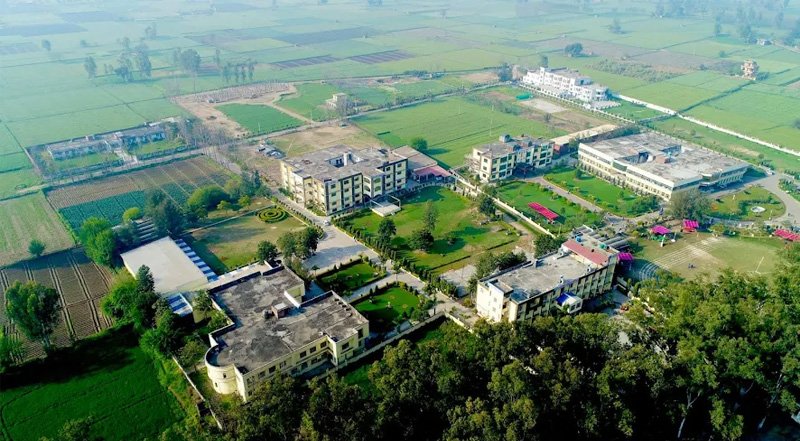
Students looking for electrical diploma colleges in Gurdaspur and nearby areas can benefit from programs that combine modern laboratories, experienced faculty, and industry-oriented training.
Factors to Consider When Choosing Between Diploma and Degree
Before making a decision, students should consider several important factors.
Career Goals
If your goal is to start working quickly and gain practical skills, a diploma may be the right choice.
If you aim for leadership roles, research, or higher education, a degree program might be better.
Financial Situation
Diploma programs usually have lower tuition fees and shorter durations, making them more affordable.
Learning Style
Students who prefer hands-on learning and practical training may benefit more from diploma programs.
Those who enjoy theoretical studies and academic research may prefer degree courses.
Which Option Is Better for Early Job Placement?
For students focused on early employment and practical experience, diploma programs are often the better option.
They provide:
- Shorter study duration
- Skill-based education
- Faster entry into the workforce
- Lower education costs
However, degree programs offer advantages for long-term career growth, higher salaries, and advanced professional roles.
The best choice depends on your personal goals, interests, and career plans.
Final Thoughts
The debate of diploma vs degree does not have a one-size-fits-all answer. Both educational paths provide valuable opportunities and can lead to successful careers.
If your priority is starting your career early and gaining practical technical skills, a diploma program can be an excellent choice.
On the other hand, if you prefer in-depth academic learning and long-term career advancement, pursuing a degree may be more suitable.
Understanding your strengths, interests, and career ambitions will help you choose the path that leads to a successful and fulfilling future.
FAQs
Is a diploma better than a degree for jobs?
Diploma programs can lead to faster employment because they focus on practical skills. However, degree programs may offer better long-term career growth.
Can diploma students pursue higher studies?
Yes, diploma holders can pursue higher education through lateral entry into degree programs.
What is the duration of a diploma course?
Most diploma programs last 2 to 3 years.
Which diploma courses have the best career scope?
Diplomas in Electrical Engineering, Mechanical Engineering, Civil Engineering, and Computer Engineering offer strong job opportunities.
Also Read: B.Voc Courses in Punjab: Skill-Based Education with High Employability