
B.Tech - CSE
B.Tech – CSE
S. Sukhjinder Singh Engineering And Technology College, Gurdaspur
S. Sukhjinder Singh engineering and Technology College was established in the 2008 with a vision to impart quality technical education and promotes innovation-driven learning. The engineering college is a center of excellence in technical and professional education, offering a diverse range of programs including B.Tech in Computer Science and Engineering (CSE), Master of Computer Applications (MCA), and Bachelor of Computer Applications (BCA). The institution is committed to nurturing future-ready professionals by providing a strong academic foundation, hands-on learning, and industry-driven curriculum.
The college features modern laboratories, innovation-driven teaching methodologies, strong industry linkages, and career support services to ensure holistic student development and employability in both national and international job markets.
Student Admission Details
| Sr. No | Branch | Duration | Course Level | Mode Of Course | Intake |
| 1 | B.Tech in Computer Science & Engineering | 4 years | After 12th | Full time | 60 |
| 2 | Masters of Computer Applications | 2 years | After BCA | Full time | 60 |
| 3 | Bachelor of Computer Applications | 3 years | After 12th | Full time | 120 |
B.Tech in Computer Science & Engineering
Bachelor of Technology (B.Tech) in Computer Science is a four-year undergraduate program that focuses on the theoretical foundations of computation, algorithms, programming, and software development. It equips students with the knowledge and skills required to design, develop, and maintain computer systems, applications, and networks. The course integrates practical learning with emerging technologies like Artificial Intelligence, Data Science, Cyber security, and Cloud Computing, preparing graduates for dynamic careers in the IT industry and research fields.”
Job Roles:- Software Developer / Engineer, Data Scientist / Data Analyst, Web Developer / Full Stack Developer, Cloud Engineer / DevOps Engineer, IT Support Executive, Technical Analyst, Database Administrator (entry level), Cyber security Trainee, Digital Marketing Executive (Tech side), Cloud Support Associate
Masters of Computer Applications
Master of Computer Applications (MCA) is a postgraduate degree program that focuses on advanced knowledge of computer application development, software engineering, and system design. It equips students with both theoretical foundations and practical skills in programming, database management, software project development, data analytics, and emerging technologies such as Artificial Intelligence, Cloud Computing, and Cyber security. The program is designed to prepare professionals for roles in software development, IT consulting, system analysis, and research.”
Job Roles:-Software Developer / Engineer, Data Scientist / Data Analyst, Web Developer / Full Stack Developer, Cloud Engineer / DevOps Engineer,IT Support Executive, Technical Analyst, Database Administrator (entry level), Cyber security Trainee, Digital Marketing Executive (Tech side), Cloud Support Associate
Bachelor of Computer Applications
The Bachelor of Computer Applications (BCA) is a 3-year undergraduate degree program that provides comprehensive knowledge in computer science, software development, and IT technologies. The course is designed to build strong programming skills, problem-solving abilities, and a solid foundation in areas such as data structures, computer networks, databases, and web development.
It is an ideal course for students aspiring to enter the IT industry or pursue further studies like MCA or MSc in Computer Science.
Job Roles:- Software Developer / Engineer, Data Scientist / Data Analyst,
Web Developer / Full Stack Developer, Cloud Engineer / DevOps Engineer,
IT Support Executive, Technical Analyst, Database Administrator (entry level), Cyber security Trainee, Digital Marketing Executive (Tech side), Cloud Support Associate
Here is a brief description of common B.Tech in Computer Science & Engineering labs:-
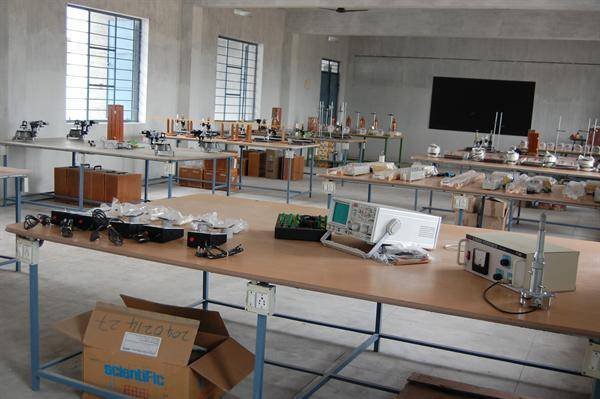
Engineering Physics Lab
- The Engineering Physics Lab aims to provide hands-on experience in applying fundamental physics principles to real-world engineering problems.
- It fosters analytical thinking, experimental skills, and innovation through practical exposure to modern scientific instruments.
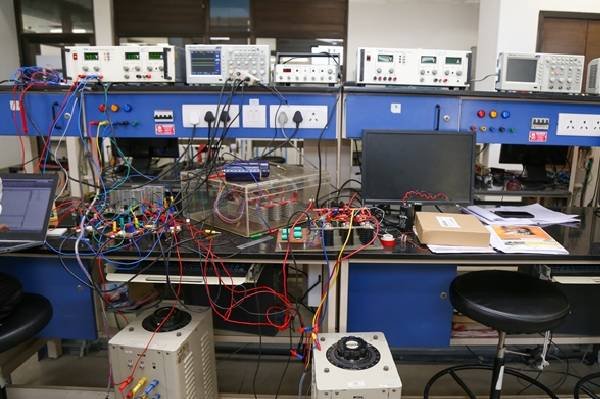
Basic electrical engineering lab
- The BEE Lab provides foundational knowledge of electrical circuits, machines, and instruments through practical experiments.
- It aims to develop students’ skills in circuit analysis, measurement, and safe handling of electrical equipment for engineering applications.
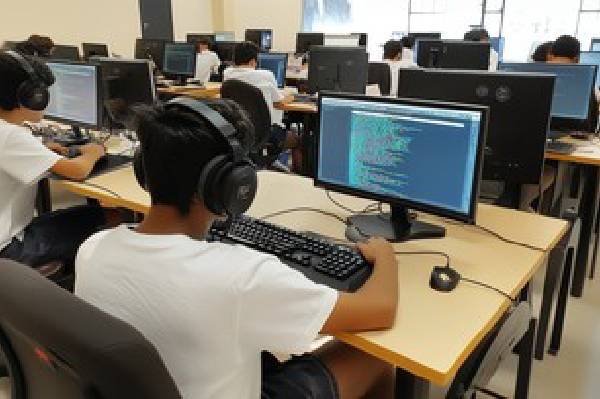
Programming for Problem Solving Lab
- The BEE Lab provides foundational knowledge of electrical circuits, machines, and instruments through practical experiments.
- It aims to develop students’ skills in circuit analysis, measurement, and safe handling of electrical equipment for engineering applications.
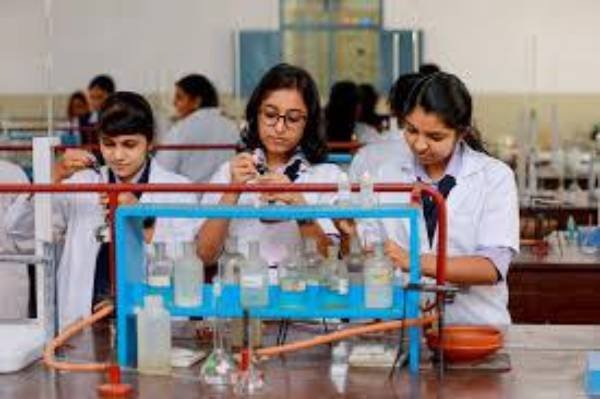
Chemistry Lab
- The Chemistry Lab enhances understanding of fundamental chemical principles through practical experiments.
- It aims to develop analytical skills, precision in handling chemicals, and awareness of safe laboratory practices for real-world applications.
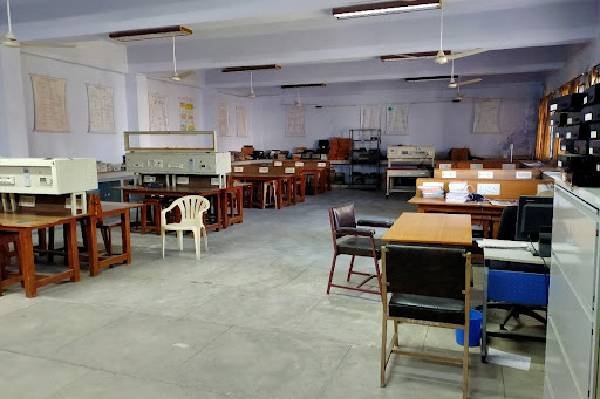
Communication Lab
- The English Lab aims to improve students’ communication skills through interactive listening, speaking, reading, and writing activities.
- It fosters confidence, fluency, and proficiency in English for academic and professional success.
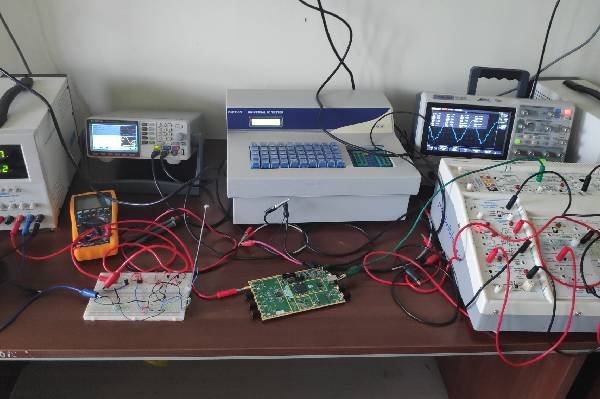
Digital Electronics Lab
- The Digital Electronics Lab provides practical exposure to logic gates, combinational and sequential circuits.
- It aims to build a strong foundation in digital system design, fostering analytical thinking and problem-solving skills for modern electronic applications.
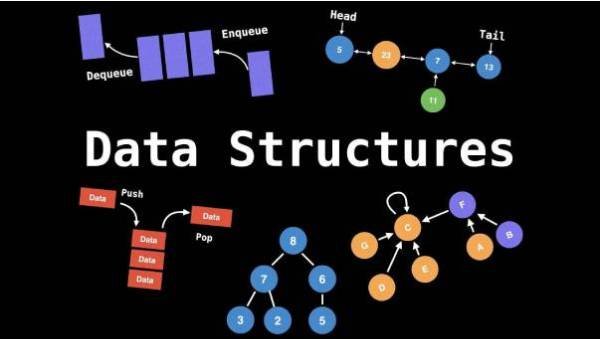
Data Structures and Algorithms (DSA) Lab
- The DSA Lab focuses on implementing and analyzing fundamental data structures and algorithms to solve computational problems efficiently.
- It aims to enhance logical thinking, coding skills, and algorithmic problem-solving essential for software development.
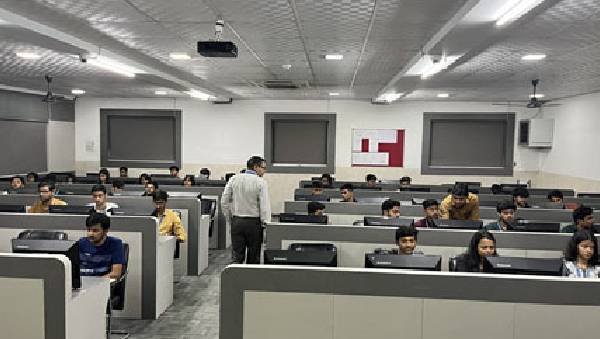
Object Oriented Programing Lab
- The OOPs Lab aims to develop a strong foundation in object-oriented programming concepts like-
- Classes
- Inheritance
- polymorphism
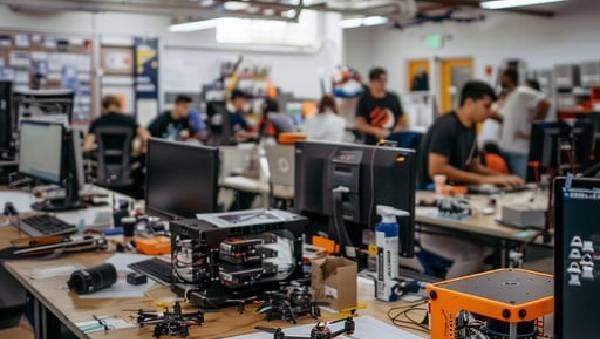
IT Workshop
- The IT Workshop introduces students to essential computer skills, software tools, and basic hardware knowledge.
- It aims to build technical proficiency for effective use of IT in academic, professional, and real-world problem-solving contexts.
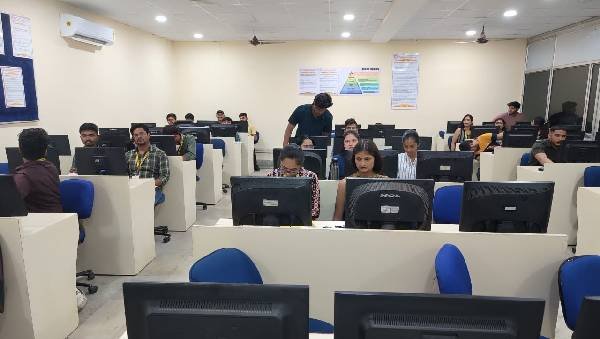
Computer Organization and Architecture (COA) Lab
- The COA Lab provides practical understanding of computer hardware, instruction execution, and microprocessor programming.
- It aims to enhance students' knowledge of system architecture and low-level computing for efficient system design.
Operating Systems (OS) Lab
- The OS Lab provides hands-on experience with process management, memory allocation, file systems, and synchronization. It aims to deepen understanding of operating system concepts and develop skills for efficient system-level programming.
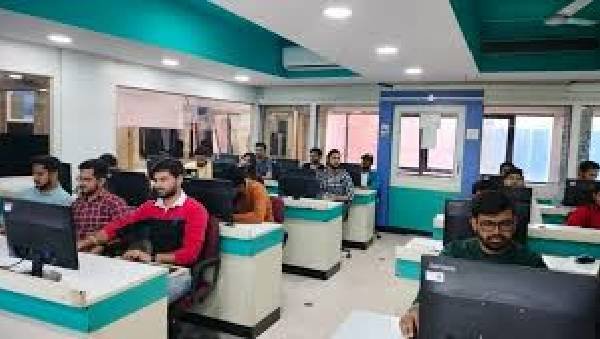
Design and Analysis of Algorithms (DAA) Lab
- The DAA Lab focuses on implementing and analyzing efficient algorithms for solving complex computational problems. It aims to strengthen problem-solving abilities, optimize resource usage, and build a solid foundation for advanced algorithmic thinking.
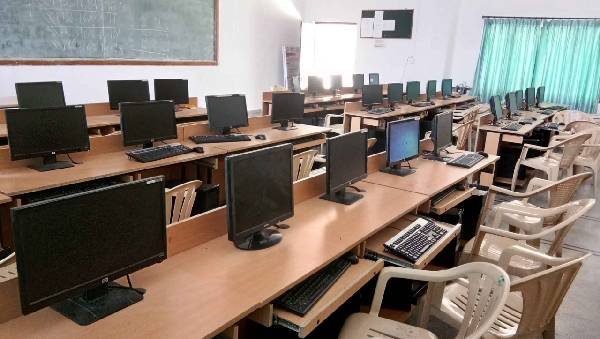
Database Management System (DBMS) Lab
- The DBMS Lab provides practical experience in designing, querying, and managing databases using SQL and relational models. It aims to develop skills in data organization, integrity, and efficient information retrieval for real-world applications.
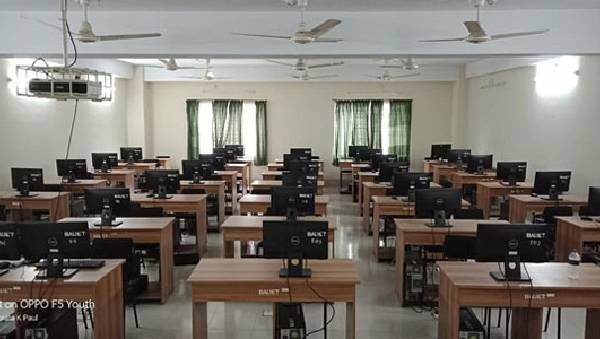
Software Engineering (SE) Lab
- The SE Lab focuses on applying software development methodologies, tools, and best practices to build reliable software systems. It aims to enhance students' skills in project planning, design, testing, and documentation for real-world software solutions.
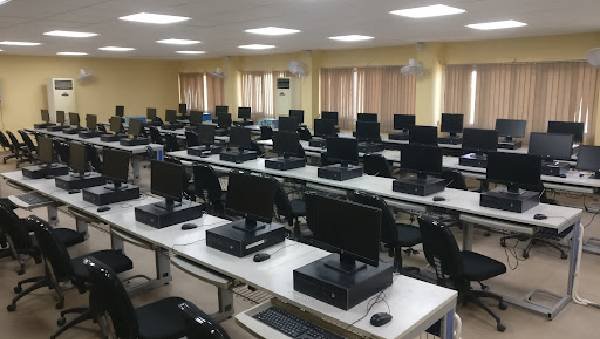
Computer Networks Lab
- The Computer Networks Lab provides hands-on experience in network configuration, protocols, and communication models. It aims to develop practical skills in designing, analyzing, and troubleshooting computer networks for real-world applications.
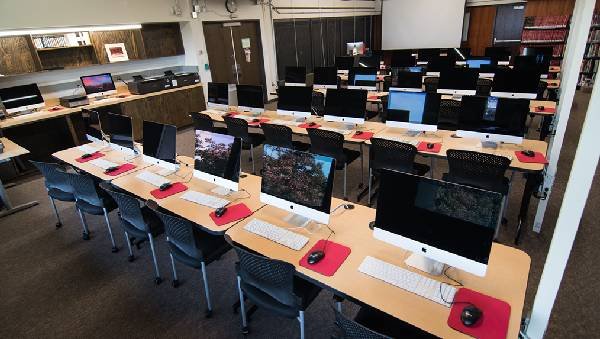
Computer Graphics Lab
- The Computer Graphics Lab focuses on developing skills in visual computing, including 2D/3D modeling, transformations, and rendering techniques. It aims to foster creativity and technical proficiency in designing interactive and graphical applications.
Compiler Design Lab
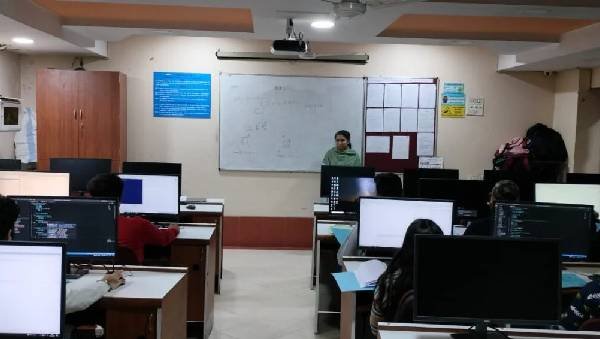
- The Compiler Design Lab provides hands-on experience in building different phases of a compiler, such as lexical analysis, parsing, and code generation. It aims to deepen understanding of language processing and enhance skills in system-level programming and automation.
Artificial Intelligence (AI) Lab
- The AI Lab provides practical exposure to intelligent systems through hands-on implementation of search algorithms, machine learning, and reasoning techniques. It aims to develop problem-solving abilities and foster innovation in building smart, autonomous applications.
Cloud Computing (CC) Lab
- The Cloud Computing Lab offers hands-on experience with cloud platforms, virtualization, and service models like IaaS, PaaS, and SaaS. It aims to equip students with skills to deploy, manage, and scale applications in cloud environments.
Software Project Management (SPM) Lab
- The SPM Lab focuses on applying project management principles, tools, and techniques to real-world software projects. It aims to develop skills in planning, scheduling, risk management, and quality assurance for successful project delivery.
Distributed Database Lab
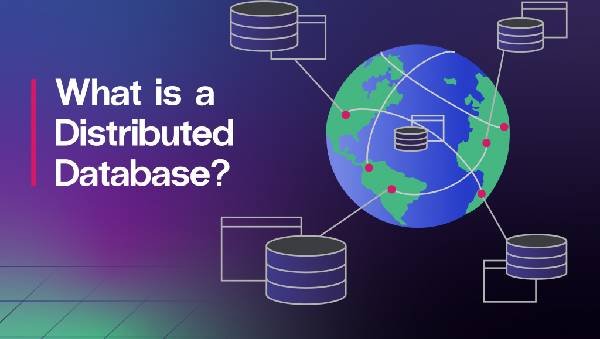
- The Distributed Database Lab provides hands-on experience in designing, implementing, and managing databases across multiple networked systems.
- It aims to develop skills in data distribution, concurrency control, and fault tolerance for scalable and reliable database solutions.
Parallel Computing Lab
- The Parallel Computing Lab offers practical experience in designing and implementing parallel algorithms using multi-core and distributed systems. It aims to enhance computational efficiency, problem-solving skills, and understanding of concurrent programming models.
Here is a brief description of common Masters of Computer Applications of labs
1.) Data structures using python laboratory
- The Data Structures using Python Laboratory focuses on implementing fundamental data structures like lists, stacks, queues, trees, and graphs using Python. It enhances problem-solving skills and helps students understand the internal workings of these structures through practical coding exercises.
2.) Advanced database management systems laboratory
- The Advanced Database Management System Laboratory focuses on implementing complex database concepts like query optimization, transaction management, distributed databases, and NoSQL systems. It helps students gain practical skills in designing, managing, and analyzing large-scale and advanced data systems efficiently.
3) Technical communication laboratory
- The Technical Communication Laboratory aims to enhance students’ professional communication skills through practical training in writing, speaking, listening, and presentation. It prepares students to effectively convey technical information in academic, professional, and industry settings.
4) Web technologies laboratory
- The Web Technologies Laboratory provides hands-on experience in designing and developing dynamic, responsive web applications using technologies like HTML, CSS, JavaScript, PHP, and databases. It enables students to build interactive websites and understand client-server architecture.
5) Advanced java laboratory
- The Advanced Java Laboratory focuses on developing robust, secure, and scalable applications using advanced Java concepts such as JDBC, Servlets, JSP, networking, and multithreading. It emphasizes building dynamic web applications and enterprise-level solutions.
6) linux administrators labortory
- The Linux Administration Laboratory focuses on providing practical knowledge of Linux system installation, configuration, and management. It trains students in user management, file systems, shell scripting, and network configurations. The lab prepares learners to effectively administer and troubleshoot Linux-based systems in real-world environments.
7) Advances computer networking laboratory
- The Advanced Computer Networking Laboratory focuses on implementing and analyzing complex networking concepts such as routing algorithms, network security, protocol simulation, and traffic management. It enables students to gain hands-on experience with network configuration tools, simulation software, and real-time networking environments to deepen their understanding of modern network infrastructures.
8) Artificial intelligence & software computing laboratory
- The Artificial Intelligence and Soft Computing Laboratory envisions fostering innovation in intelligent systems by integrating AI techniques with soft computing approaches like fuzzy logic, neural networks, and genetic algorithms. It aims to develop problem-solving models that mimic human decision-making in uncertain and complex environments.
9) software testing & quality assurance laboratory
- The Software Testing and Quality Assurance Laboratory focuses on teaching methods to test software for defects and ensure reliability, performance, and security. It emphasizes practical skills in test case design, automation tools, and quality control techniques.
10) Machine learning & data anaytics lab
- The Machine Learning and Data Analytics using Python Laboratory focuses on implementing machine learning algorithms and data analysis techniques using Python libraries. It aims to develop practical skills in data preprocessing, model building, and evaluation.
11) Advanced web technologies laboratory
- The vision of the Advanced Web Technologies Laboratory is to equip students with the skills to design dynamic, responsive, and secure web applications. It emphasizes hands-on experience with modern frameworks, client-server architecture, and full-stack development.
12) cloud computing laboratory
- The vision of the Cloud Computing Laboratory is to provide practical knowledge of cloud service models, virtualization, and deployment techniques. It aims to prepare students for real-world cloud environments using platforms like AWS, Azure, or OpenStack.
Here is a brief description of common Bachelor of Computer Applications labs
1. Problem solving techniques laboratory
- It Enhances students’ understanding of programming concepts. It also Teaches how to translate real-world problems into code and Focus on logic building, algorithm design, and coding structure.
2. Office automation
- The Office Automation Lab helps students gain practical skills in using office software tools like MS Word, Excel, PowerPoint, and email applications. It enables efficient document handling, data analysis, and presentation creation. Students also learn to automate daily office tasks, improving their productivity and employability in administrative and clerical roles.
3. Object oriented programming using c++ laboratory
- The lab aims to develop students’ understanding of object-oriented concepts like classes, inheritance, polymorphism, and file handling through practical implementation in C++. It prepares learners to design modular, reusable, and efficient software systems aligned with real-world applications.
4. Fundamentals of Statistics laboratory
- The course provides foundational knowledge of data collection, analysis, interpretation, and presentation. Its vision is to equip students with statistical thinking and tools essential for decision-making in diverse fields like business, science, and social research.
5. Computer system architecture laboratory
- The Computer System Architecture Laboratory aims to provide practical knowledge of computer organization, processor design, and instruction execution. It envisions building a strong foundation in system-level understanding and enhancing students’ ability to analyze and design computer architectures.
6. Computer networks laboratory
- The Computer Networks Laboratory provides hands-on experience in network protocols, socket programming, and data communication. It aims to develop students’ skills in designing, implementing, and troubleshooting network systems for real-world applications.
7. Programming in python laboratory
- The Programming in Python Laboratory focuses on developing problem-solving skills using Python, covering fundamentals to advanced concepts like file handling and object-oriented programming. It aims to equip students with practical coding experience for real-world applications and software development.
8. Data structures laboratory
- The vision of Data Structure lab is to build a strong foundation in organizing, managing, and storing data efficiently. It aims to develop logical thinking and problem-solving skills essential for writing optimized and scalable algorithms in real-world applications.
9. PC assembly & troubleshooting laboratory
- The PC Assembly & Troubleshooting Laboratory aims to provide hands-on experience in assembling computer hardware components and installing operating systems. It also focuses on diagnosing and fixing common hardware and software issues to build practical troubleshooting skills.
10. Database management systems laboratory
- The Database Management Systems (DBMS) laboratory aims to provide hands-on experience in designing, implementing, and managing databases. It focuses on SQL queries, normalization, and practical applications using DBMS tools to ensure efficient data storage, retrieval, and manipulation.
11. Operating systems laboratory
- The Operating Systems laboratory focuses on understanding the fundamental concepts of OS through practical implementation. It includes process management, memory management, file systems, and system calls using programming and simulation tools.
12. Web designing laboratory
- The Web Designing laboratory aims to develop skills in creating interactive and responsive websites using HTML, CSS, JavaScript, and other web technologies. It emphasizes front-end design principles, user experience, and basic client-server communication.
Orientation Program
Day 1 – Welcome And Introduction
- Welcome address by principal.
- Introduction To Departments (CSE, BCA, MCA).
- Interaction With Faculty & Mentors.
Day 2- Academic And Administrative Orientation
- Academic Rules & Examination Guidelines.
- Introduction To Campus Facilities (Library, Computer Labs, Admin Block And Hostel).
- Credit And Evaluation System.
Day 3- Introduction To Subjects
- Syllabus Overview.
- Career Guidance & Placement Cell Introduction.
- Workshop On Time Management & Study Skills.
Day 4- Rules, Discipline and Student Support
- Student ID card process.
- Anti-Ragging Awareness Session.
Tentative Academic Schedule- Odd Semester (2025)
(FOR 1ST, 3RD, 5TH AND 7TH SEMESTER STUDENTS)
All Concerned Students And Faculty Are Hereby Informed Of The Following Schedule:-
| Sr. No | Description | Period |
| 1 | SEMESTER START (1ST, 3RD, 5TH AND 7TH SEMESTER) | 31 JULY (THURSDAY) |
| 2 | 1ST HOUSE TEST | 23 SEPT TO 25 SEPT 2025 |
| 3 | 2ND HOUSE TEST | 28 OCT TO 30 OCT 2025 |
| 4 | PREPORATORY HOLIDAYS | 10 NOV TO 17 NOV 2025 |
| 5 | END SEMESTER EXAMINATION | 19 NOV 2025 ONWARD |
| 6 | WINTER VACATION | 22 DEC 2025 TO 4TH JAN 2026 |
NOTE: - This is tentative schedule and is subject to change as per university guidelines.
For circulars, results, examination details and other updates
Visit the official website of Punjab technical university:
Principal Message
Dear Students, Parents, and Well-Wishers,
It gives me immense pleasure to welcome you to our engineering college — a place where knowledge meets innovation, and passion transforms into purpose. Our institution is dedicated to nurturing young minds through quality education, hands-on learning, and strong moral values.
With programs like B.Tech in Computer Science and Engineering (CSE), MCA, and BCA, we aim to empower students with the technical expertise and problem-solving skills required in the ever-evolving world of technology. Our faculty, state-of-the-art infrastructure, and industry tie-ups ensure that students receive a blend of academic rigor and real-world experience.
We believe in creating not just engineers and IT professionals, but responsible citizens who contribute meaningfully to society. I encourage all students to make the most of the opportunities provided and strive for excellence in every endeavor.
Wishing you best of luck for successful career ahead.
How to Apply to SGI
Choose any of the following options to be a part of SSS Group:

Complete Application Form
Lorem ipsum dolor sit amet, consectetur adipiscing elit. Ut elit tellus, luctus nec ullamcorper mattis, pulvinar dapibus leo.

Self-report your courses and complete CADRs
Lorem ipsum dolor sit amet, consectetur adipiscing elit. Ut elit tellus, luctus nec ullamcorper mattis, pulvinar dapibus leo.

Choose your program
Lorem ipsum dolor sit amet, consectetur adipiscing elit. Ut elit tellus, luctus nec ullamcorper mattis, pulvinar dapibus leo.

Payment of Fees
Lorem ipsum dolor sit amet, consectetur adipiscing elit. Ut elit tellus, luctus nec ullamcorper mattis, pulvinar dapibus leo.